AICLab
Dream. Excellence. Teamwork.
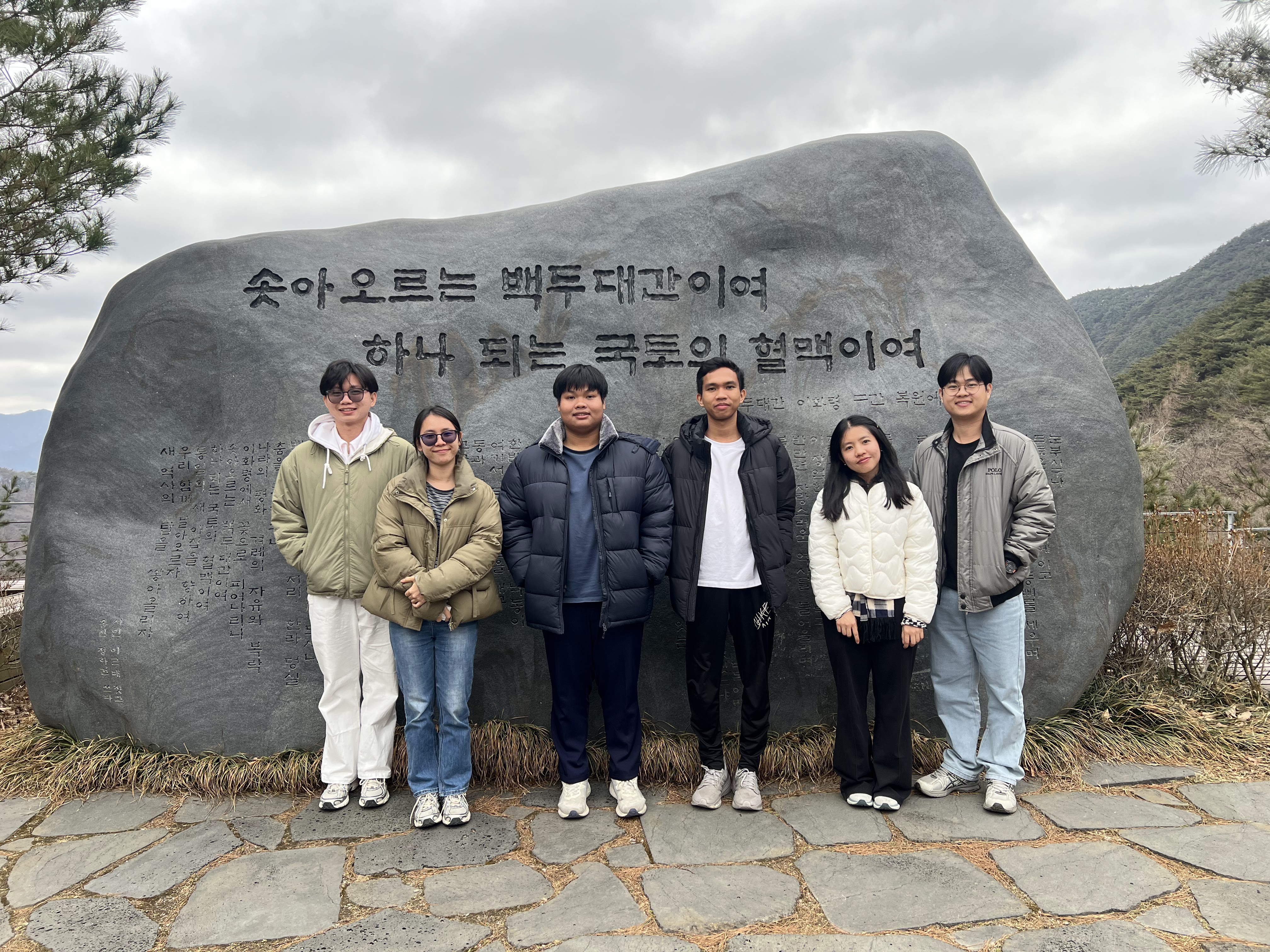
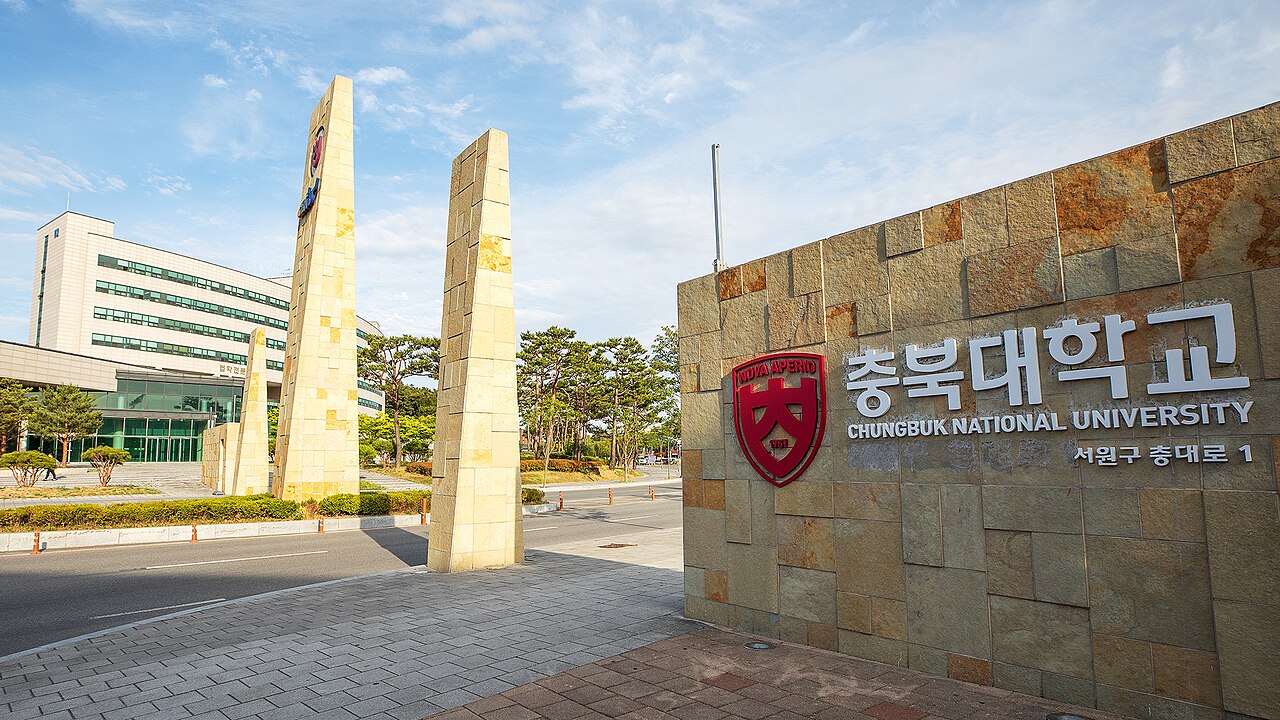
Welcome to AICLab!
We are excited to embark on this journey of innovation and discovery in Applied AI, Computer Vision, and Quantum Computing. Our lab brings together passionate researchers from diverse backgrounds, united by a common vision to create impactful solutions that bridge academic excellence with industry needs.
Professor KIM Tae-Kyung
Principal Investigator, AICLab
Mission & Vision
Mission: AICLab was established with the mission of pursuing Applied AI, Computer Vision, and Quantum Computing for industry and academic purposes.
Vision: We aim to be the trusted problem solver for industry in terms of Applied AI, Computer Vision, and Quantum Computing initiatives and solutions to improve pain points and operational efficiency. Together with our partners and clients, we strive to achieve excellence in our work.
To set our target as broad as the peak of the mountain. Pursue our dream while maintaining excellence in our work, and by collaborating with our highly talented team members who share the same vision and mission.
Latest News
Stay Updated with Our Recent Achievements and Milestones
Paper Published in IEEE Access
Dr. KONG Vungsovanreach and collaborators published "MulFD-Net: Per-Scale Multi-Layer Feature Decomposition for Transparent and Reflective Object Segmentation" in IEEE Access (SCIE), proposing a network that decomposes features into multiple layers at each scale to segment transparent and reflective objects.
Welcome Mr. THON Sopheap to AICLab!
We warmly welcome Mr. THON Sopheap to AI Convergence Lab. Mr. Thon is pursuing his Master's degree in Big Data Engineering at Chungbuk National University and will be contributing to research in Big Data Engineering, MLOps, and Cloud Infrastructure.
Paper Published in Array
Mr. CHAN Sokheang and collaborators published "ASG-LLM: An LLM-based pipeline for automated scraping code generation in security-sensitive environments" in Array (SCOPUS), introducing an LLM-driven pipeline that generates scraping code for environments where security constraints matter.
Research Team
Talented Minds Pursuing Excellence Together
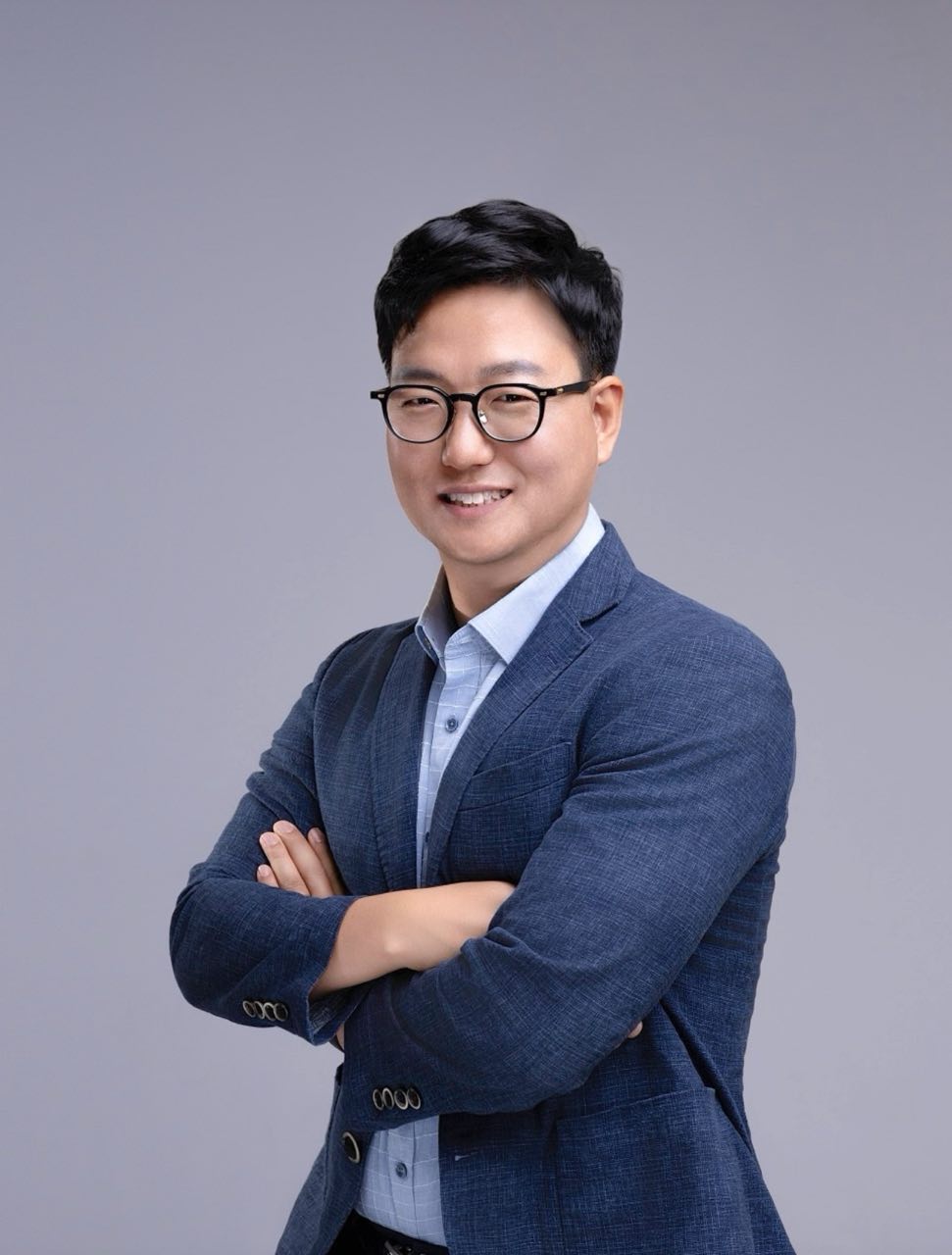
Big Data | AI | Software Education
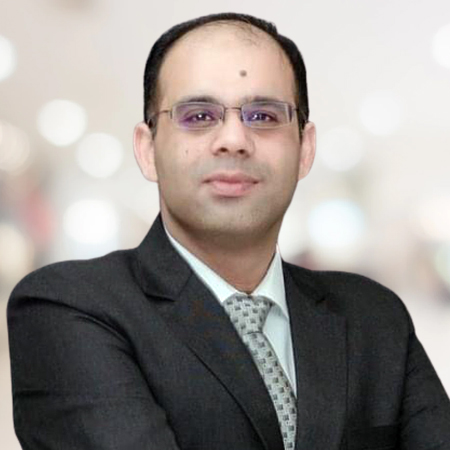
WSN | Swarm Intelligence | IoT
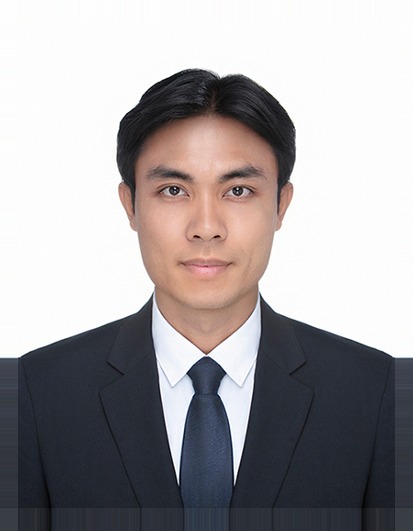
Computer Vision, LLM, VLM
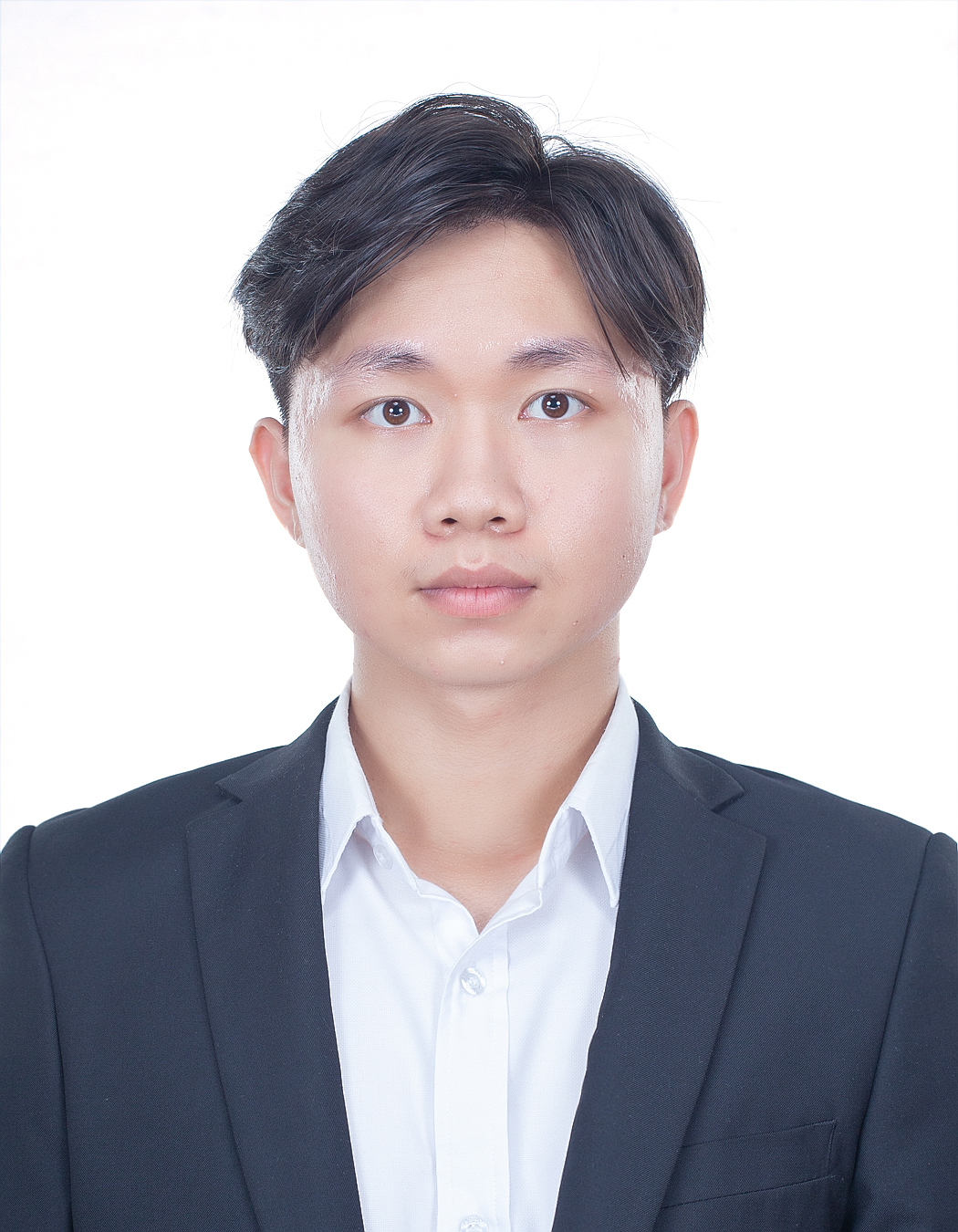
NL2SQL, Data Analytics, LLM
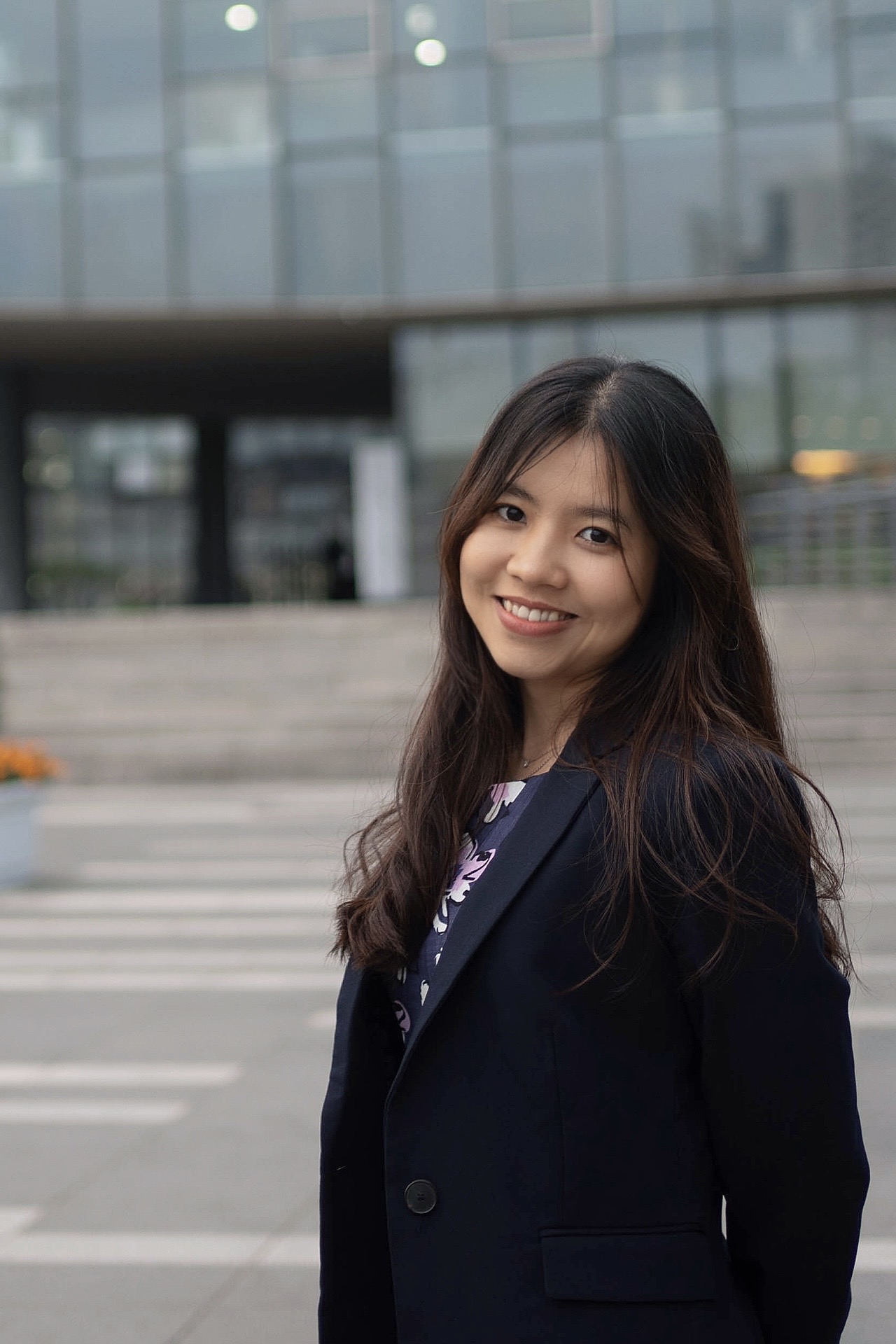
Big Data, AI Development
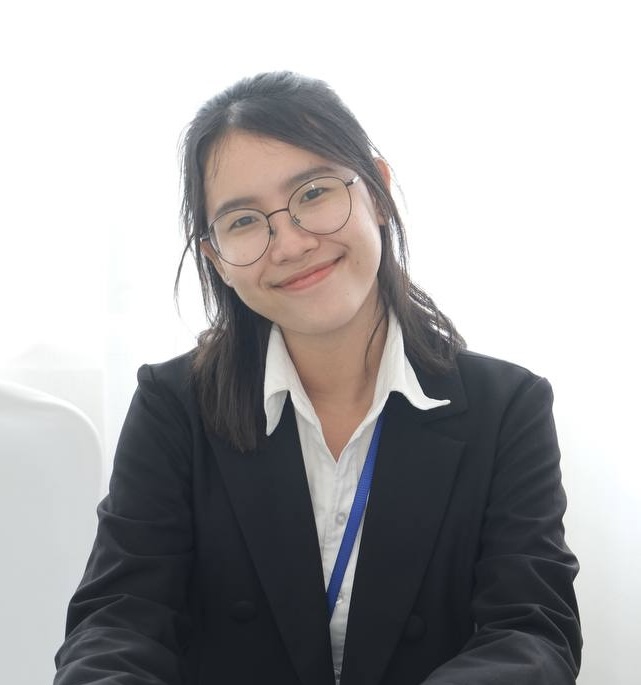
Quantum Machine Learning, Quantum Computing
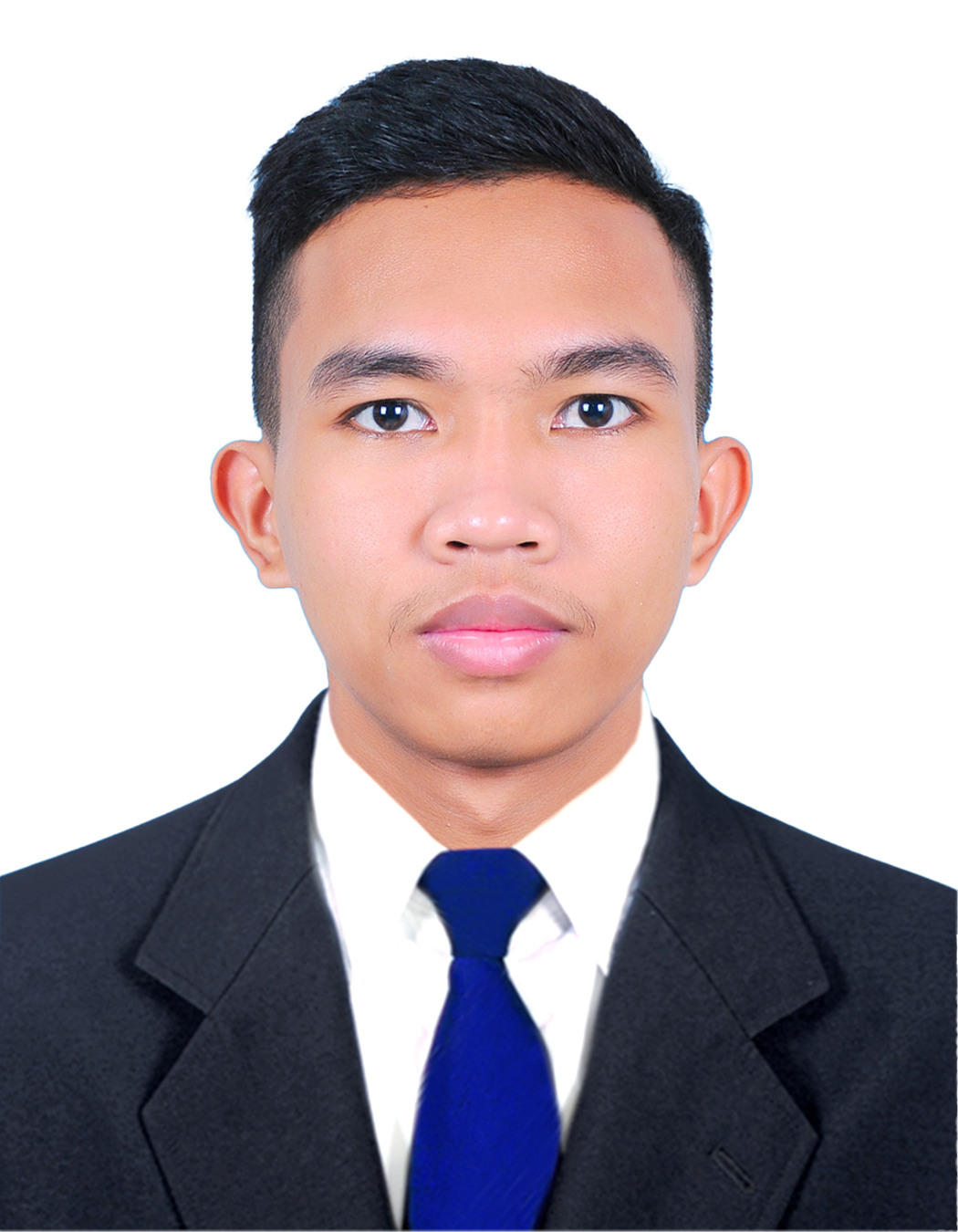
Computer Vision, LLM
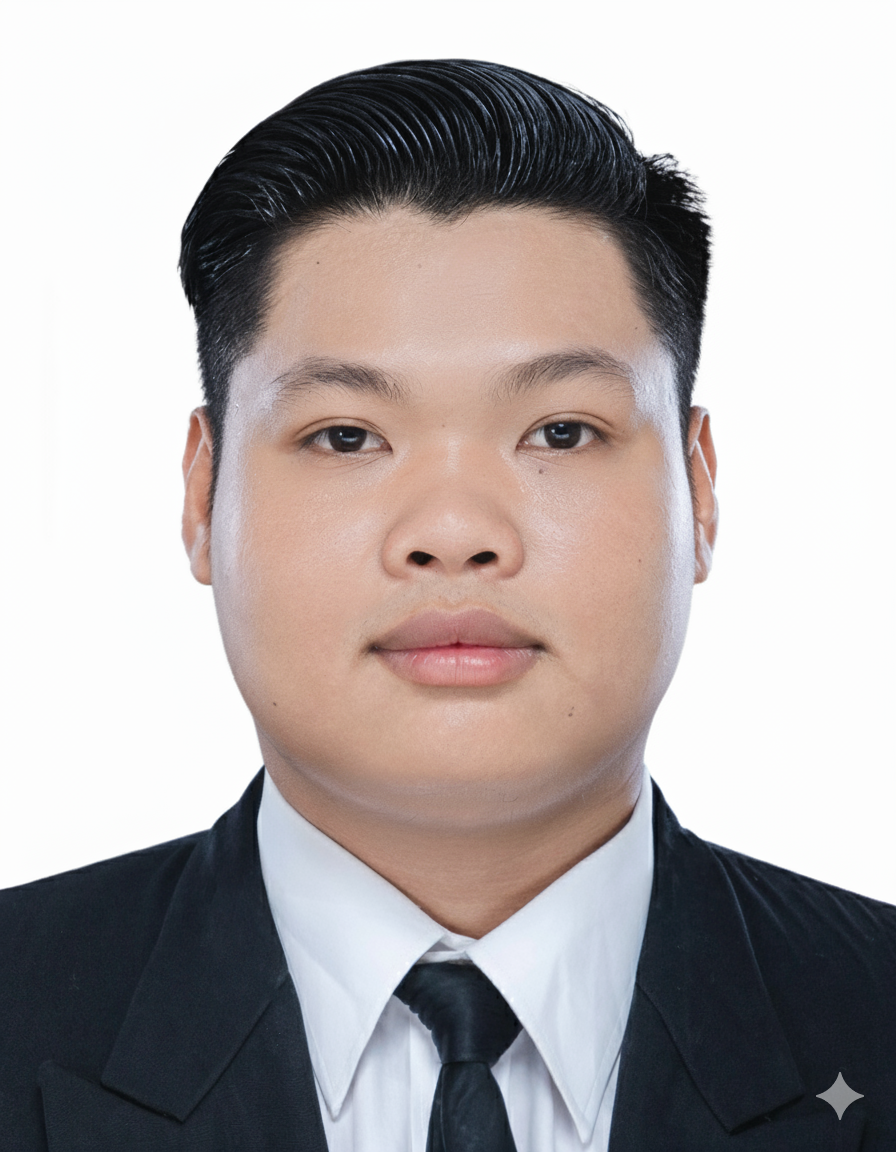
LLM, Cybersecurity
Publications
Building the Future of Applied AI
MulFD-Net: Per-Scale Multi-Layer Feature Decomposition for Transparent and Reflective Object Segmentation
IEEE Access, Early Access, Sep. 2026 - View Paper
ASG-LLM: An LLM-based pipeline for automated scraping code generation in security-sensitive environments
Array, Vol. 31, 101135, Sep. 2026 - View Paper
A comprehensive survey of quantum computing approaches for portfolio optimization in FinTech
ICT Express, Aug. 2026 - View Paper
Research Projects
Bridging AI Research with Real-World Impact
Arm Robot for Bin-Picking in Unstructured Environments
The Project aims to develop an intelligent bin-picking system that enables robots to detect, localize, and grasp objects in cluttered, unstructured environments. By combining advanced vision techniques such as instance segmentation, graph-transformer reasoning, depth refinement, shape completion, and 6D pose estimation, the project seeks to overcome challenges like occlusion and sensor noise.
NL2SQL: Natural Language to SQL
This research develops an AI system that converts natural-language questions into accurate SQL queries, removing SQL expertise as a barrier to data access. The research focuses on schema understanding, query validation, hallucination reduction, and automated dataset curation using multiple AI agents. The lab's MRS-Agent submission reached rank #21 on the BIRD benchmark, a large-scale cross-domain Text-to-SQL evaluation, achieving 75.13% execution accuracy on the test set.
Quantum Computing: Large-Scale Optimization
This research explores quantum annealing and hybrid quantum-classical methods for tackling highly complex, large-scale optimization problems that are difficult for conventional computing approaches. The work aims to apply these methods to domain-specific challenges such as synchrotron accelerator scheduling, parameter optimization, resource allocation, and operational control.
Members' Activities
Building Excellence Through Collaboration and Learning